


Language
Language
ex VAT
inc. VAT


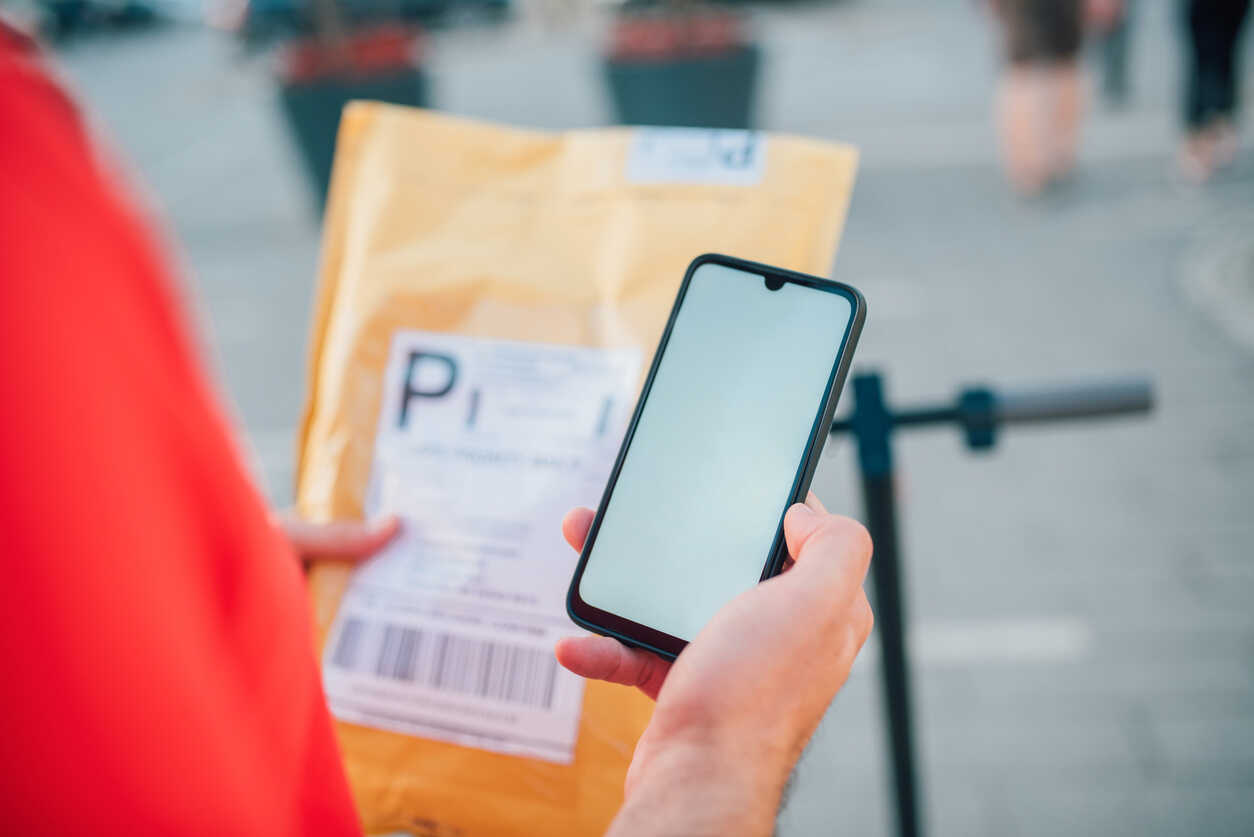
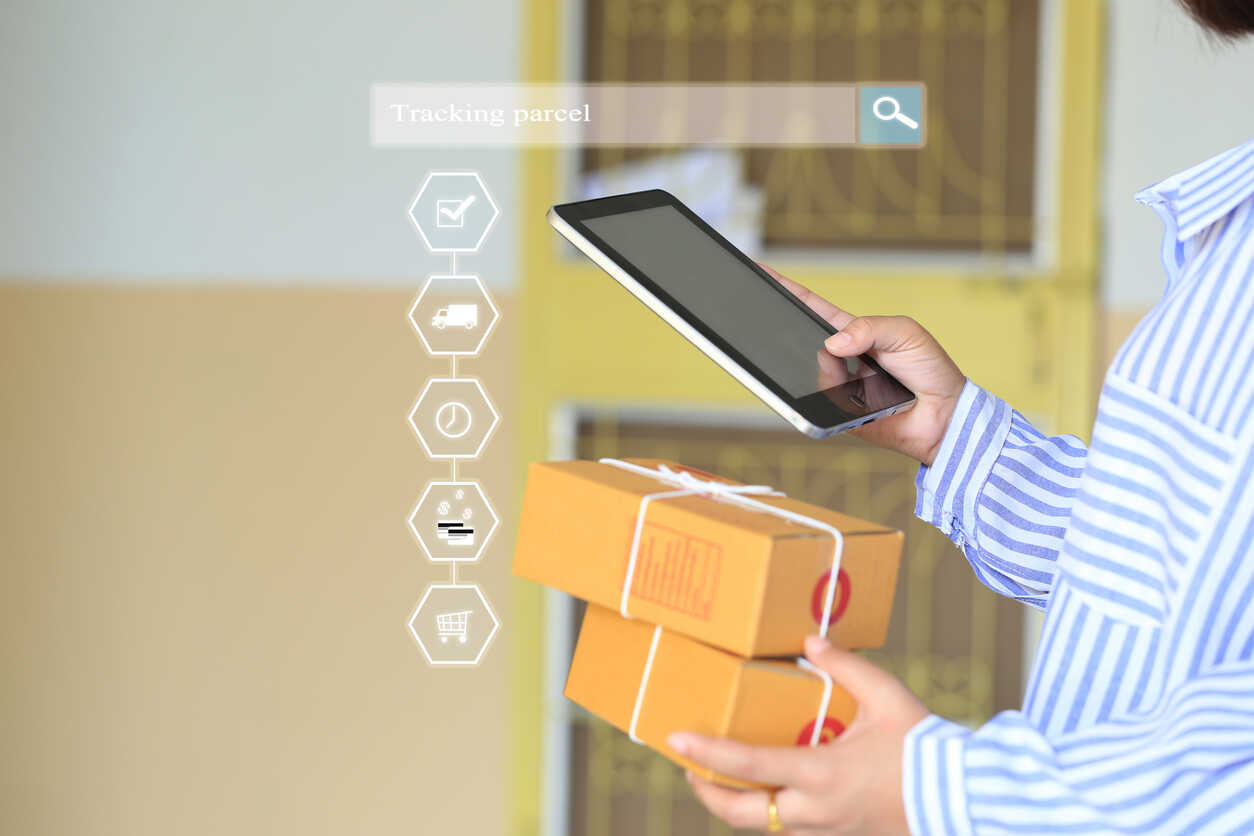
Connected packaging is a type of intelligent packaging which connects a parcel with external consumer devices like smartphones, tablets and computers. The connection enables businesses and customers to gain information about the parcel through these devices. The most common types of technology for connected packaging include QR codes, RFID tags and NFC tags, usually present on smart labels. The aim of connected packaging is to improve user engagement by providing real-time data and creating interactive experiences.
Tamper-evident seals or sensors can detect any unauthorised access or tampering, guaranteeing product authenticity and safety. What’s more, sensors integrated into packages can monitor environmental conditions at every step of the journey – this can be paramount for sensitive electrical components, such as microprocessors or integrated circuits, which need a certain temperature to preserve product quality.
Customers can obtain crucial product information in real-time by scanning QR codes and NFC tags on the packaging. Customer satisfaction is increased by having simple access to information, whether it be for troubleshooting or setting up a gadget. Personalised experiences can be made with the help of smart packaging, too. Distributors can promote brand loyalty by using packaging to provide tailored messages or offers to customers.
RFID technology makes real-time inventory tracking possible by reducing the possibility of stockouts and overstock situations. This can aid in efforts to reduce costs and improve inventory control. Distributors can discover potential problems and take corrective action to prevent damage by monitoring products while they are in transit. By being proactive, the risk of product returns and warranty claims is reduced.
With the help of technologies like MAP and time-temperature indicators, smart packaging increases the shelf life of perishable items. It conserves the resources consumed in manufacturing, transportation, and disposal by reducing early spoiling and food waste. RFID, sensors, and QR codes simplify inventory management, prevent overproduction, and reduce the need for excessive packaging, all of which help conserve resources.
Smart packaging is a revolutionary development in the field of packaging solutions. It has a number of advantages, including improving user experiences with interactive elements, streamlining supply chains, and lessening environmental impact. It’s promoting sustainability, transparency, and efficiency across industries with innovations like RFID tags, QR codes, and IoT sensors. It provides consumers with useful information whilst helping businesses protect their products’ authenticity and quality. In our increasingly interconnected world, new advancements in technology will have further impact on smart packaging solutions, improving customer experience, reducing waste and offering even more transparency.
Author Jack Portley