Techniniai Dokumentai
Specifikacijos
Markė
BahcoProduct Type
Riveter
Sub Type
Plier Type
Maximum Rivet Size
4.8mm
Overall Length
285mm
Minimum Rivet Size
2.4mm
Standards/Approvals
RoHS
Produkto Aprašymas
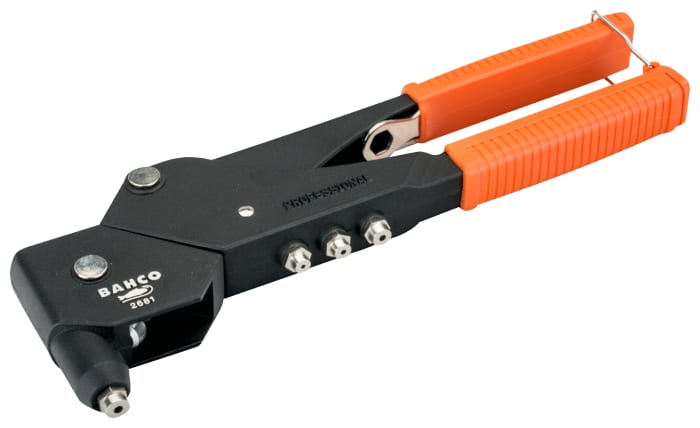
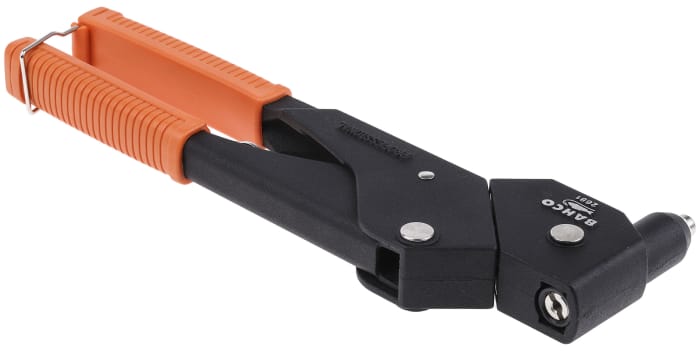
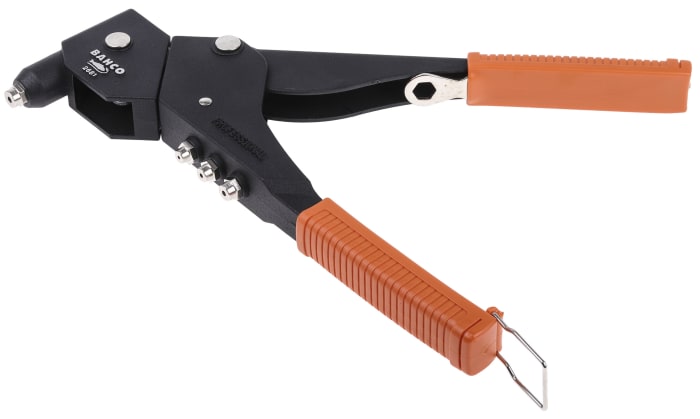
This riveter is a hand-operated plier tool designed to install blind rivets in mechanical and electrical assemblies. It is intended for manual riveting tasks where controlled, single-operator application is required. The tool accommodates a commonly used range of blind rivet diameters and is suitable for routine fastening in workshop and site environments.
It accepts blind rivets from 2.4mm up to 4.8mm, covering four common diameters used in light industrial assembly.
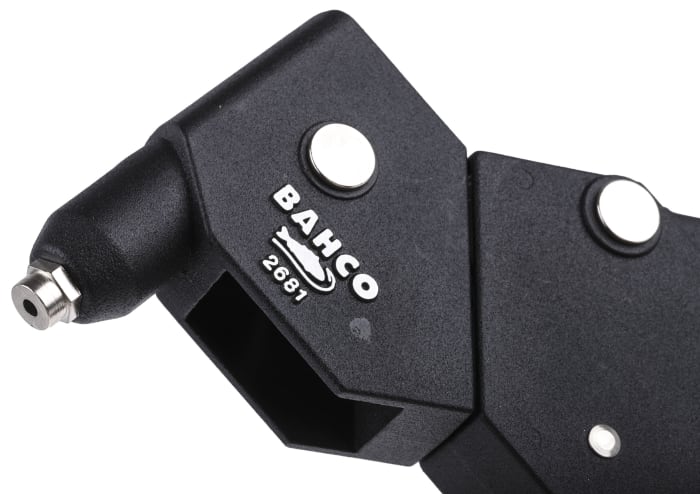
The plier layout concentrates force at the jaw tip, allowing insertion and setting in narrow access points where larger actuators cannot reach.
The 285mm overall length increases leverage, reducing operator effort during repeated cycles and improving throughput for routine fastening tasks.
Sandėlio informacija laikinai nepasiekiama.
€ 55,50
€ 55,50 už 1 vnt. (be PVM)
€ 67,16
€ 67,16 už 1 vnt. (su PVM)
1

€ 55,50
€ 55,50 už 1 vnt. (be PVM)
€ 67,16
€ 67,16 už 1 vnt. (su PVM)
Sandėlio informacija laikinai nepasiekiama.
1
Techniniai Dokumentai
Specifikacijos
Markė
BahcoProduct Type
Riveter
Sub Type
Plier Type
Maximum Rivet Size
4.8mm
Overall Length
285mm
Minimum Rivet Size
2.4mm
Standards/Approvals
RoHS
Produkto Aprašymas
This riveter is a hand-operated plier tool designed to install blind rivets in mechanical and electrical assemblies. It is intended for manual riveting tasks where controlled, single-operator application is required. The tool accommodates a commonly used range of blind rivet diameters and is suitable for routine fastening in workshop and site environments.
It accepts blind rivets from 2.4mm up to 4.8mm, covering four common diameters used in light industrial assembly.
The plier layout concentrates force at the jaw tip, allowing insertion and setting in narrow access points where larger actuators cannot reach.
The 285mm overall length increases leverage, reducing operator effort during repeated cycles and improving throughput for routine fastening tasks.